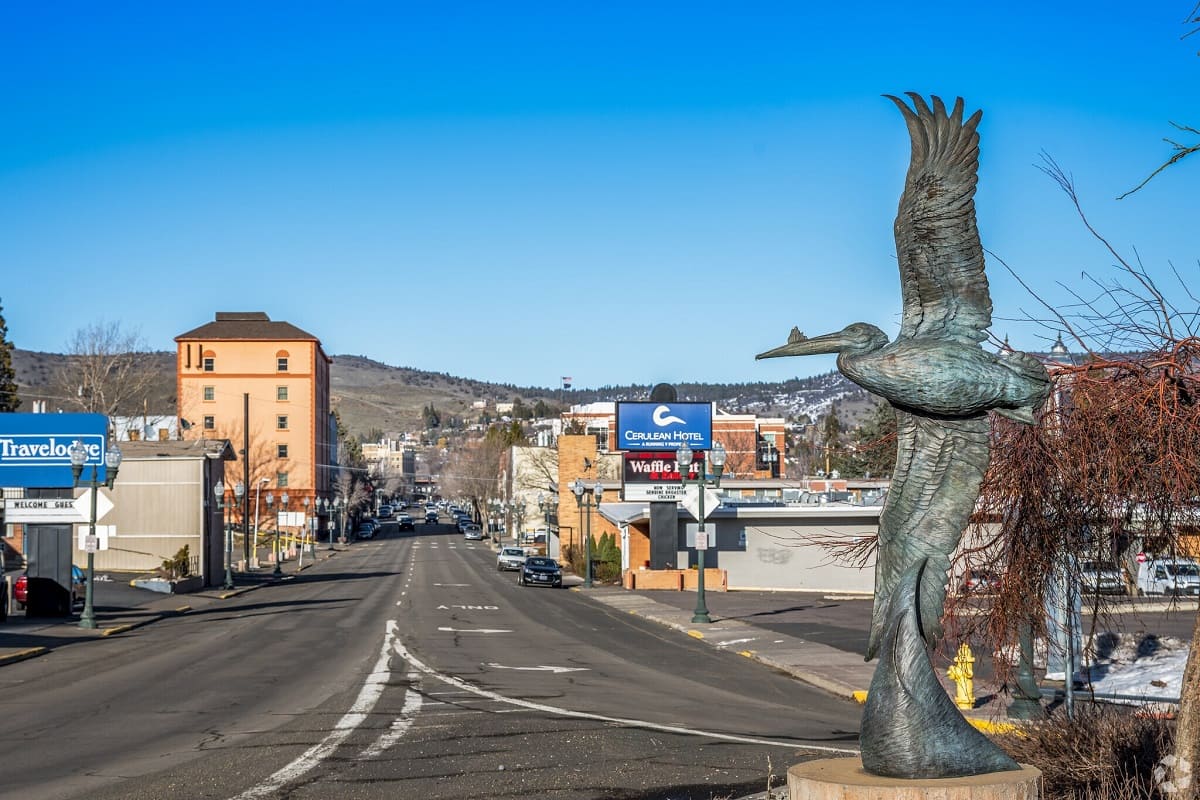
Explore Downtown Klamath Falls
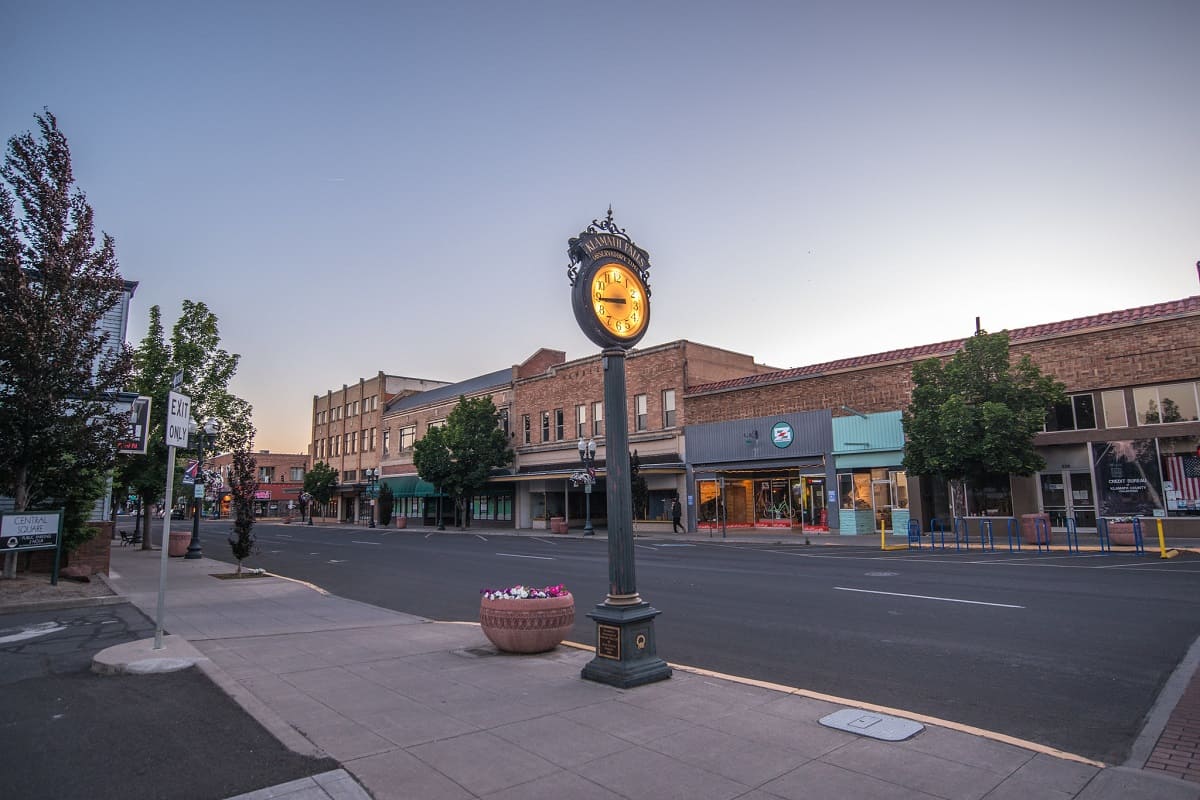
Downtown Klamath Falls is a good place to begin exploring the city,
with a mix of historic buildings, local businesses, restaurants,
cafés, shops and cultural attractions. The downtown area has a
distinctly local character and gives visitors an opportunity to
experience more of the community beyond the main highway and
surrounding natural attractions.
Historic Main Street forms an important part of the downtown area,
with older commercial buildings and a selection of independent
businesses. Visitors can take a walk through the center of town,
stop for coffee or a meal, browse local shops and look for murals
and public art along the way. It is an easy area to explore at a
relaxed pace, particularly when combined with other nearby
attractions.
The Ross Ragland Theater is another important part of the downtown
cultural scene. The historic theater hosts performances and other
community events throughout the year, making it worth checking the
current schedule if you are planning an evening in Klamath Falls.
Its presence also reflects the city's long-standing connection
with the arts and local entertainment.
One of the more distinctive natural features close to downtown is
Link River Falls, where the Link River flows between Upper Klamath
Lake and Lake Ewauna. The area provides an interesting contrast to
the surrounding city streets and is an easy way to combine a
downtown visit with a short outdoor experience.
Downtown is therefore best approached as more than a place to stop
for food or supplies. Spending some time walking through the area,
visiting local businesses, discovering public art and exploring
nearby attractions can give travelers a better sense of Klamath
Falls and its history before heading farther into the Klamath
Basin.
Parks, Trails & Outdoor Recreation
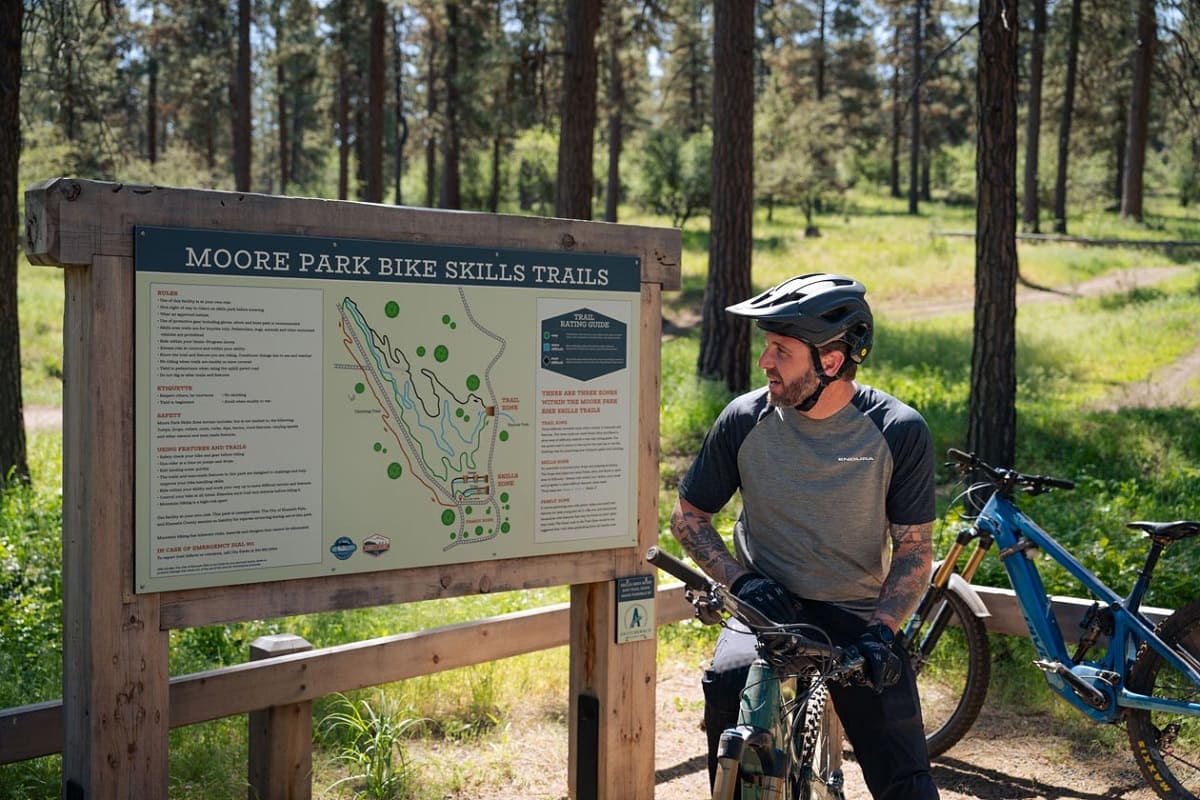
Klamath Falls has an extensive network of parks and outdoor spaces
where visitors can enjoy nature without traveling far from the
city. Moore Park is one of the most important recreational areas,
located along the southern end of Upper Klamath Lake and offering
open spaces, picnic areas, sports facilities, extensive trails and
access to the surrounding waterfront.
Moore Mountain is particularly appealing to travelers who want to
spend an active day outdoors. The trail system in and around Moore
Park is used by hikers, cyclists and runners, with varied terrain,
vegetation and trails suitable for different levels of experience.
Several sections also provide attractive views across Upper
Klamath Lake, Lake Ewauna and the wider Klamath Basin.
Cycling is one of the best ways to make the most of the area if you
enjoy a more active visit. Mountain bikers can explore the Moore
Mountain trails, while the Bike Skills Park provides a dedicated
place for riders to practice handling and develop their skills.
The combination of trails, open space and changing terrain makes
Moore Park a good option for both recreational riders and visitors
looking for a more challenging outing.
Travelers who do not bring a bicycle can look into local rental
options before heading to the trails.
Zach's Bikes
in downtown Klamath Falls offers bicycle rentals and can be a
convenient starting point for visitors who want to explore the
area on two wheels. Checking current rental availability in
advance is recommended, especially during the busier seasons.
For a longer and generally easier cycling experience, the OC&E
Woods Line State Trail begins in Klamath Falls and extends far
beyond the city. Its urban section toward Olene is paved and is
commonly used by cyclists, walkers and other non-motorized trail
users. This provides a different experience from the more varied
terrain of Moore Mountain and can be a good choice for travelers
who prefer a longer ride on a relatively smooth surface.
Parks and trails also offer a simple way to experience Klamath
Falls at a slower pace. A short walk through a city park can be
combined with a downtown visit, while a longer hike or bicycle
ride can turn into several hours of outdoor recreation. The wider
Klamath Basin provides even more opportunities once you are ready
to travel beyond the city, making Klamath Falls a useful base for
both casual outdoor activities and more ambitious adventures.
Lakes, Rivers & Water Activities
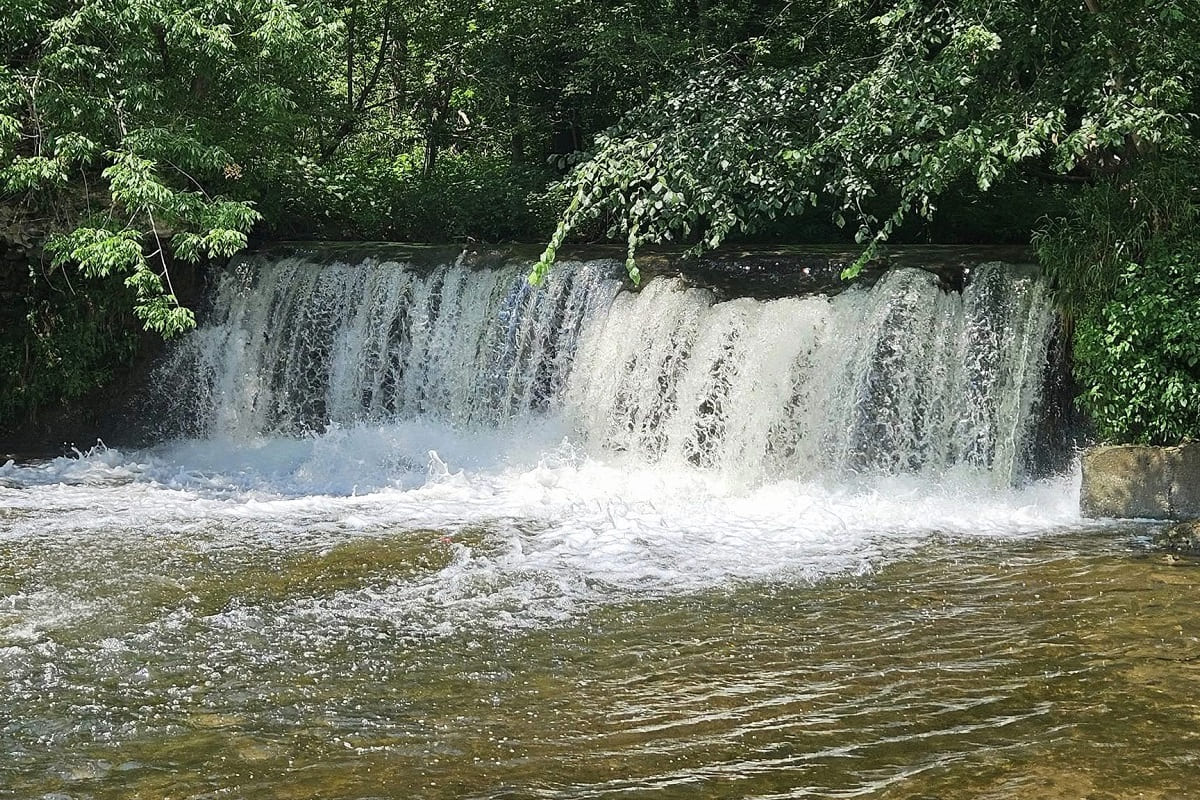
Water is an important part of the Klamath Falls landscape, with
Upper Klamath Lake, Lake Ewauna and the Link River creating a
network of waterways around the city and the wider basin. These
areas offer opportunities for fishing, boating, kayaking, wildlife
viewing and quiet walks along the waterfront, making it possible
to include time on or beside the water in many different types of
itineraries.
Upper Klamath Lake is the largest lake in Oregon and one of the
region's major outdoor destinations. Its broad open water and
surrounding wetlands provide opportunities for boating and fishing,
while the quieter areas of the lake are especially attractive for
paddling and observing wildlife. Several boat launches around the
lake make it possible for visitors to explore different parts of
the shoreline.
Kayaking and canoeing can be particularly rewarding in the calmer
waterways and connected wetland areas. The Upper Klamath Canoe
Trail offers a marked paddling route through marshes, springs and
riparian habitat, providing a more peaceful alternative to simply
spending time on the open lake. The route is especially suited to
travelers who want to combine outdoor recreation with bird and
wildlife watching.
Fishing is another major attraction, with Upper Klamath Lake known
for its redband trout as well as other species. Local conditions
change throughout the year, so anglers should check current Oregon
fishing regulations before heading out. Visitors who prefer not to
organize a trip independently can also look into local guides and
outfitters operating in the Klamath Basin.
Lake Ewauna provides a more immediate connection between the city
and its waterways. The lake and nearby trails offer opportunities
for walking, photography and wildlife observation, while the Link
River connects the surrounding water system and provides another
scenic area to explore close to downtown. Together, these places
show how closely the city's outdoor character is connected to
water.
Water activities are strongly influenced by weather and seasonal
conditions, so travelers should plan accordingly. Whether you are
interested in a relaxed paddle, a fishing trip, a boat outing or
simply a walk beside the water, the Klamath Basin offers several
ways to experience the region from a different perspective.
Discover Klamath — Upper Klamath Lake →
Wildlife & Bird Watching
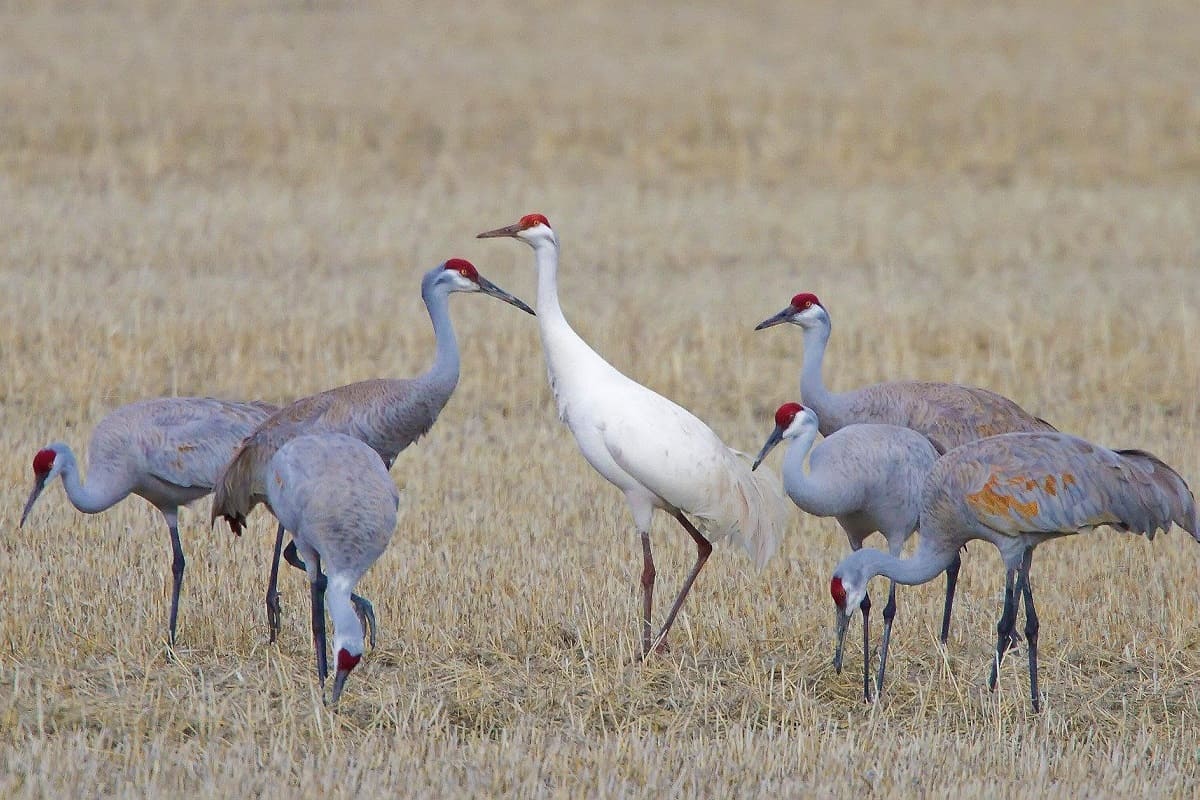
Wildlife and bird watching are among the most distinctive
experiences available around Klamath Falls. The Klamath Basin
contains lakes, marshes, rivers, agricultural areas and wetlands
that provide important habitat for a remarkable variety of birds
and other wildlife. For visitors interested in nature, the region
offers opportunities that go well beyond the usual city
sightseeing experience.
Bird watching is particularly rewarding around the basin, where
seasonal migrations can bring large numbers of waterfowl and other
species into the area. Depending on the time of year and location,
visitors may encounter bald eagles, white pelicans, cranes, herons,
grebes, ducks and many other birds. The changing seasons make the
experience different throughout the year rather than limiting it
to a single short viewing period.
The areas around Upper Klamath Lake and Lake Ewauna provide
accessible opportunities for observing birds without requiring a
demanding hike. Trails, wetlands and quiet shoreline areas can be
especially productive for visitors who are willing to move slowly
and spend some time watching rather than simply passing through.
Early mornings can be particularly enjoyable when the landscape
is quieter and wildlife is more active.
Travelers who want to explore farther can make wildlife viewing
part of a broader trip through the Klamath Basin. Different
habitats attract different species, so changing locations can
provide a much broader experience than staying in one area. A
pair of binoculars, a camera with a longer lens and comfortable
outdoor clothing are useful additions for anyone planning to spend
several hours looking for wildlife.
Wildlife viewing should always be approached with respect for the
animals and their habitat. Keep a reasonable distance, avoid
disturbing nesting or feeding areas and follow posted restrictions
wherever they are in place. The goal is not simply to see as many
animals as possible, but to experience the basin while helping
preserve the environment that makes it such a special destination.
Museums & Local History
Klamath Falls and the surrounding basin have a long and varied
history, and the local museums provide an opportunity to understand
the people, communities and landscapes that shaped the region.
For travelers who want a break from outdoor activities, the
museums offer a useful introduction to the area's cultural and
historical background.
The Klamath County Museum on Main Street is the primary history
museum for the county. Its collections explore the history,
culture and natural resources of the Upper Klamath Basin, making
it a good starting point for visitors who want more context about
the region they are exploring. Exhibits can help connect the
landscapes seen around Klamath Falls with the communities and
events that shaped them.
The Baldwin Hotel Museum offers a different experience by allowing
visitors to step inside a historic building in downtown Klamath
Falls. The four-story hotel was constructed in 1905 and contains
rooms furnished with antiques and historical artifacts. A visit
here provides a more personal sense of what life and travel were
like in the city during an earlier period.
Travelers with more time can also visit the Fort Klamath Museum,
located north of the city along Highway 62. The museum occupies
the site of the former Fort Klamath military post and includes
historic grounds and exhibits connected with the area's frontier
history. Because it is outside Klamath Falls itself, it works
especially well as part of a wider outing through the Upper
Klamath Basin.
The three museums also provide different perspectives on the
region rather than simply repeating the same historical story.
The County Museum focuses broadly on Klamath County, the Baldwin
Hotel preserves part of the history of downtown Klamath Falls,
while Fort Klamath provides a connection to the history of the
surrounding rural area. Visiting more than one can therefore add
useful context to a longer stay.
Museum schedules vary during the year, particularly at the Baldwin
Hotel Museum and Fort Klamath Museum, which operate seasonally.
Before planning a visit, check the current opening dates, hours,
admission information and any special exhibitions on the official
Klamath County Museums website.
Klamath County Museums — Visitor Information →
Crater Lake as a Major Excursion
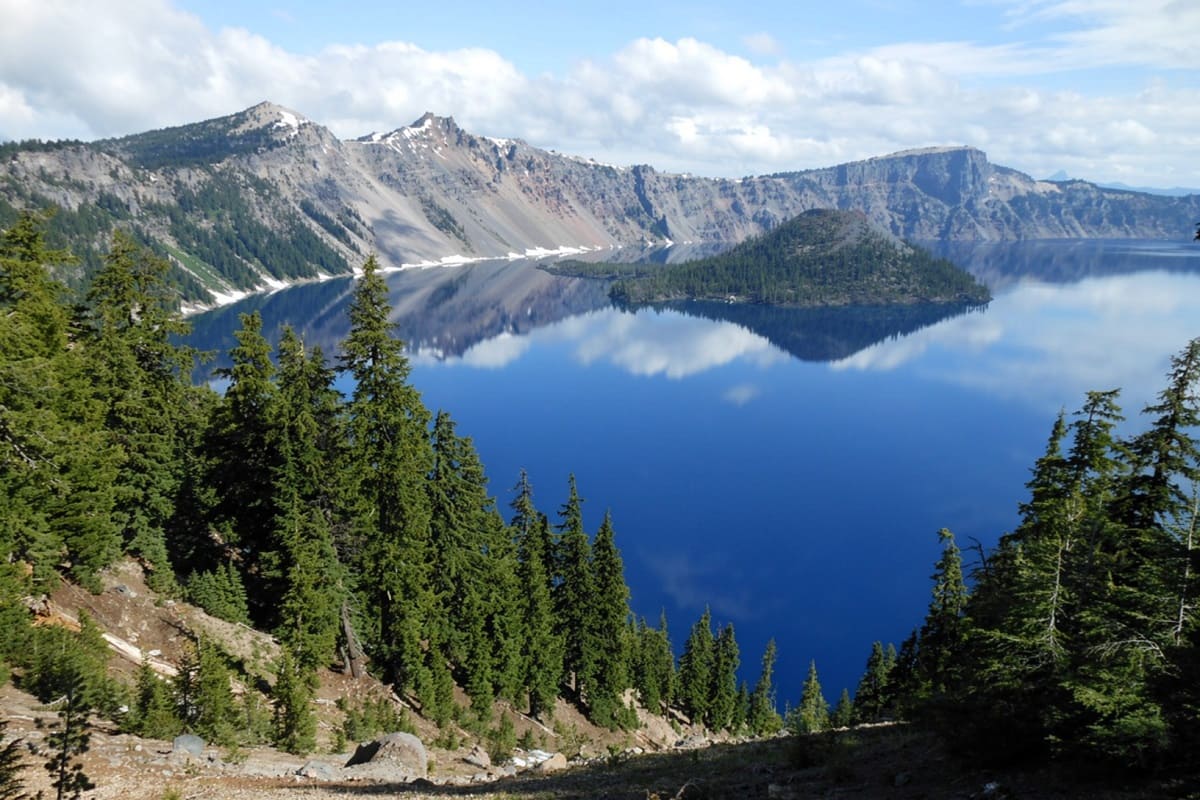
Crater Lake is one of the most famous natural attractions in
Oregon and an important reason why many travelers choose Klamath
Falls as a base for exploring southern Oregon. The national park
lies to the north of the city, making it possible to include a
visit to the lake as part of a longer stay in Klamath Falls rather
than treating the city only as a stop along the route.
The lake is located inside the caldera of Mount Mazama and is
famous for its exceptionally deep blue water, dramatic cliffs and
distinctive volcanic landscape. Wizard Island, rising from the
lake near the western side of the caldera, is one of the most
recognizable features of the park and makes the viewpoints around
the rim particularly memorable.
A visit to Crater Lake can be approached in several ways depending
on the season and how much time you have available. Travelers with
only a few hours may focus on scenic viewpoints and short walks,
while those with more time can explore additional trails and
sections of the park. The experience changes considerably between
summer and winter, so road conditions and seasonal access should
always be checked before setting out.
For visitors staying in Klamath Falls, Crater Lake works especially
well as part of a full-day outing. It allows travelers to combine
time in the city with one of Oregon's most spectacular natural
landscapes while still returning to Klamath Falls for the evening.
The journey itself also passes through forested and mountainous
scenery, adding another scenic element to the excursion.
Crater Lake deserves more detailed planning than can be covered in
this overview. If the national park is one of the main goals of
your trip, check current park conditions, road access, seasonal
services and trail information before leaving Klamath Falls.
Travelers can then decide how much of their available time should
be dedicated to the park and how much to the other attractions
around the Klamath Basin.
National Park Service — Crater Lake National Park →
Arts, Culture & Local Events
Klamath Falls has a growing local arts and cultural scene that adds
another dimension to a visit beyond outdoor recreation. Downtown
streets, historic buildings, public art and community venues give
travelers opportunities to experience the character of the city
at a slower pace and discover some of the creative work produced
by local artists and organizations.
The Ross Ragland Theater is one of the most recognizable cultural
venues in the city. The historic theater hosts concerts, stage
performances, films, community programs and other events
throughout the year. Checking the current event calendar can be
worthwhile when planning an evening in Klamath Falls, particularly
if you want to combine dinner downtown with a local performance.
Public art is another feature worth looking for while exploring
downtown. Murals and other artworks add color to the streetscape
and provide interesting stops during a walk through the historic
center. They can also make a casual downtown exploration more
engaging for visitors who enjoy photography or discovering places
away from the main tourist attractions.
Local events can also change the atmosphere of downtown throughout
the year. Community celebrations, performances, markets and other
seasonal activities may provide opportunities to see the city when
local residents are gathering and taking part in events. Because
schedules vary from year to year, visitors should check current
local event listings rather than relying on an old calendar.
Spending an evening around downtown can therefore be a useful
complement to a day spent hiking, visiting lakes or exploring the
Klamath Basin. Even when there is no major event taking place, the
combination of historic architecture, local businesses, murals,
restaurants and cultural venues gives visitors another way to
experience Klamath Falls.
Ross Ragland Theater — Events & Performances →
Choosing Activities by Season
The best things to do around Klamath Falls can change significantly
with the seasons. The region has a high-desert climate with cold
winters and warm summers, while the surrounding mountains, lakes
and wetlands create different opportunities throughout the year.
Choosing activities according to the season can make it easier to
plan a comfortable and rewarding visit.
Summer is generally the easiest season for outdoor recreation.
Longer days and warmer temperatures are well suited to hiking,
cycling, kayaking, fishing, boating and exploring the many trails
around the basin. It is also a popular period for visiting Crater
Lake, although travelers should still check current road and trail
conditions before making the trip.
Fall brings cooler temperatures and changing colors across the
surrounding landscapes. It can be an excellent time for hiking,
scenic drives, photography and wildlife watching, while the
quieter atmosphere can make some outdoor areas particularly
enjoyable. Bird activity also remains an important attraction as
seasonal movements bring different species through the Klamath
Basin.
Winter creates a very different experience. Snow and cold
conditions can limit some hiking and water activities, but they
also open opportunities for snow sports and winter scenery.
Visitors planning mountain trips should pay close attention to
weather, road conditions and seasonal closures, especially when
traveling toward higher elevations.
Spring is a transitional season when the landscape begins to warm
up and wildlife activity can be especially interesting. Conditions
can vary considerably from one week to the next, so travelers may
find a mixture of cool weather, wet trails and increasingly
accessible outdoor areas. It is a good season for combining
downtown attractions, museums and wildlife viewing with outdoor
activities as conditions allow.
Whatever time of year you visit, checking current local conditions
before heading outdoors is important. Weather, snow, water levels,
road access and seasonal operating schedules can all affect the
availability of particular activities and attractions.
How to Plan Your Time in Klamath Falls
How long you should spend in Klamath Falls depends largely on
whether you are using the city as a short stop or as a base for
exploring the surrounding region. Even a few hours can be enough
to see part of downtown, enjoy a meal and visit a nearby park or
waterfront area, while a full day gives you considerably more
flexibility.
With only a few hours available, a simple itinerary could begin
downtown with a walk along Main Street and time to explore local
shops, cafés, murals and historic sites. You could then continue
toward Link River and Lake Ewauna or spend some time in one of the
nearby parks before continuing your journey along the SouthWest
Point route.
One full day allows you to combine several different experiences.
You might spend the morning exploring Moore Park and its trails,
enjoy lunch in or around downtown, and then visit a museum or
explore the waterfront in the afternoon. An evening downtown,
especially when a performance or local event is taking place, can
provide a relaxed finish to the day.
Two days give you enough time to slow down and explore beyond the
city itself. One day can focus on Klamath Falls, including
downtown, parks, museums, lakes and wildlife areas, while another
can be dedicated to a longer excursion such as Crater Lake or
another destination in the surrounding basin. This approach also
leaves more room to adjust your plans around weather and seasonal
conditions.
Travelers interested in outdoor activities should avoid trying to
fit everything into a single itinerary. Hiking, cycling, kayaking,
wildlife watching and sightseeing can each take more time than
expected, particularly when you stop for photographs or simply
enjoy the landscape. Choosing a few priorities and leaving some
flexibility will usually result in a more enjoyable visit.
Klamath Falls works particularly well when treated as more than an
overnight stop. Its downtown attractions, parks, waterways,
wildlife habitats, museums and access to major natural
destinations make it possible to build a trip around very
different interests. Whether you have an afternoon, a full day or
several days, planning around the experiences that matter most to
you will help make the most of your time in the Klamath Basin.